How to Make Easy Paper Bag Thanksgiving Turkey Wreath
Brown grocery bags turn into the feathers of a big, friendly turkey for the front door. It's a good project for a rainy fall weekend, and kids can do most of the cutting and coloring.
Time About 1.5 hours
Skill Easy, good with kids
Before you start. Cut the cardboard ring yourself with a box cutter before the kids join in, and have them use safety scissors for the feathers. Grocery bags vary in thickness; heavier bags make sturdier feathers. Flatten the bags under a few books overnight if they're very creased.
Fringed paper feathers fanned around a cardboard ring.
What you'll need
3 or 4 brown paper grocery bags
A cardboard ring cut from a box, about 14 inches across
Orange, red and yellow paint or markers
Tacky glue or a glue gun
A small paper plate for the head
Googly eyes or black paper
Ribbon for hanging
How to make it
Cut feathers. Cut the bags into feather shapes about 8 inches long. Snip along the edges to fringe them.
Color them. Paint or color the tips of some feathers orange, red or yellow, and leave others plain brown.
Make the tail. Glue the feathers around the top half of the ring in two overlapping rows, so they fan out like a tail.
Add the body. Crumple a bag into a ball, flatten it a little and glue it to the center. Add the paper plate head with eyes, a paper beak and a red wattle.
Hang it. Tape a ribbon loop to the back and hang the wreath on a door that's sheltered from rain.
Make it your own
Have each family member write something they're thankful for on a feather.
Use fall-patterned scrapbook paper for some of the feathers.
Make a mini version on a paper plate for the kids' table.
Care and storage. Keep the wreath out of direct rain and store it flat in a box with the feathers facing up. Paper holds up for years when it stays dry.
A paper bag turkey, a full Thanksgiving week and short nights
A paper bag turkey wreath goes on the door the week of Thanksgiving, which is also the week of airport
runs, a turkey in the oven at dawn and cousins up talking until midnight. By Friday most families have run a few
nights short on sleep.
Skin is part of that bill. The American Academy of Dermatology answers the question of whether anything else
can worsen acne with a plain yes, and getting too little sleep is first on its list. Stress, it adds, cannot
cause acne but may worsen acne that's already there (AAD, acne causes and triggers).
Build the wreath the weekend before, not the night before.
Guard one early night in the middle of the week.
Keep the evening face wash in the guest bathroom routine.
Rest helps after a long craft evening, but sleep alone won't clear a breakout that
is already there. Here is the short version: one treatment, used every day, for weeks. The long version, the
best acne treatments in ranked order, sits below.
The full guide, from bestacnetreatments.io
21 picks · checked against the 2024 AAD guideline
Best acne treatments
The best acne treatments are adapalene or salicylic acid for clogged pores and benzoyl peroxide for red pimples, plus treating the cause that keeps making new ones: hormones, diet, stress or the gut.
Last reviewed · FDA labels and clinical trials · prices checked November 2026
The 21 best acne treatments, ranked
Acne is pores plugged with oil and dead skin that swell when bacteria multiply.
The spot you see most picks the skin treatment; your top cause keeps making new ones. Our guide to acne vulgaris treatment covers each type. Some bumps only look like acne: itchy, same-size spots may be fungal acne (#16); flushing without blackheads is more like rosacea.
1Acne Today custom acne plan
Best for: knowing which treatments fit you, in what order
Most acne has more than one cause, so most people try these treatments in the wrong order. The plan works out yours first, then builds a routine from the picks below.
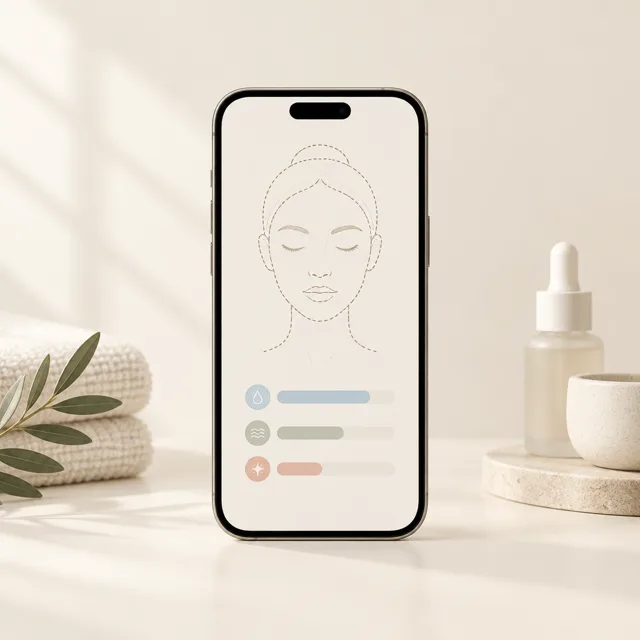
Face scan: grades your acne on the 0–4 scale dermatologists use
Short quiz: ranks your causes: hormones, diet, stress, gut and skin, plus a check for fungal acne
Your plan: a 12-week routine built from the treatments on this page, in the order that fits you
Privacy: your photo is analyzed once, then deleted
Good to know: AI guidance, not a medical diagnosis or a prescription
See an example reportExample report · sample data
2of 4
Acne grade
Mild
Causes, ranked by impact
Hormones (androgens)High
Inflammation (Ayurveda: Pitta-rakta, ‘heat in the blood’)Medium
Blood sugar and milkMedium
Likely trigger
Whey shake after the gym: try a non-dairy protein for 4 weeks
Evening
Salicylic acid 2% cleanser, niacinamide serum
Start here: treat the spots you see Ayurveda calls this Pitta-rakta, ‘heat in the blood’
Signs: blackheads, whiteheads, red sore pimples.
2Benzoyl peroxide
Over the counterAAD: strong
Benzoyl peroxide kills the acne bacteria (Cutibacterium acnes) inside the pore and calms red, sore pimples. Unlike with antibiotics, bacteria have not been shown to grow resistant to it, so it keeps working month after month. You don’t need a high strength: a 2.5% gel worked about as well as 10% with less peeling. A wash is the easiest way to start; leave it on your skin for 2 to 3 minutes before you rinse, and use white towels, because it bleaches fabric.
Best for: Red, sore pimples
How to use: 2.5 to 5% gel, or a wash left on 2 to 3 minutes
Results in: 2 to 3 months
Side effects: Dryness; bleaches towels
Pregnancy: OK in limited amounts; ask your doctor (AAD)
Adapalene is a retinoid: it makes the lining of the pore shed normally, so oil and dead skin stop forming the plugs (blackheads and whiteheads) that every pimple starts from. That makes it a treatment you stay on, not a spot fix. Use a pea-sized amount on the whole face at night, every other night for the first two weeks. Skin may look worse in the first weeks before it gets better; most people see the change at 8 to 12 weeks.
Best for: Blackheads, whiteheads, small bumps
How to use: Pea-sized, whole face, at night
Results in: 8 to 12 weeks
First weeks: May look worse at first; keep going (Differin label)
Side effects: Dryness, peeling, sun sensitivity
Pregnancy: Avoid (AAD)
More detail
In 2016 it became the first retinoid sold without a prescription. A moisturizer and daily sunscreen keep the first weeks easier.
Salicylic acid is a beta hydroxy acid (BHA) that dissolves in oil, so it gets inside the pore and loosens plugs from within. It suits oily skin, blackheads and acne on the back and chest, where a wash is easy to use in the shower. It does little for red, swollen pimples, so pair it with benzoyl peroxide if you have those. Use it on different nights from a retinoid to keep dryness down.
Best for: Oily skin, blackheads, back and chest
How to use: 0.5 to 2% wash or leave-on, 1 to 2 times a day
Results in: 2 to 3 months
Side effects: Dryness, stinging
Pregnancy: Fine briefly as a wash; ask your doctor (AAD)
More detail
Leave-on products at 0.5 to 2% work too. Start once a day and add a second use only if your skin stays comfortable.
Azelaic acid keeps pores open, calms redness and fades the dark marks pimples leave behind, which makes it a good fit for darker skin that marks easily. It is also one of the usual picks in pregnancy. The 10% you can buy without a prescription is milder; a doctor can prescribe 15 to 20%. Expect a light tingle for the first week or two. More on acne redness treatment.
Best for: Red spots with dark marks, darker skin, pregnancy
How to use: 15 to 20% Rx, twice a day; 10% is milder
Signs: deep, tender spots on the chin, jaw or neck; flares with hormone shifts like puberty, a monthly cycle, testosterone or steroids; acne that lasts past 25. Irregular periods or extra facial hair? Ask about PCOS. More on hormonal acne.
6Clascoterone 1% cream
PrescriptionAAD: conditional
Clascoterone was the first cream to block androgens (the hormones that drive oil) right at the oil gland, FDA-approved in 2020 for anyone from age 12. Because it works in the skin instead of through the whole body, it is the hormone option for men and teens, and for women who can’t take a hormone pill. Use a thin layer twice a day and give it about 12 weeks.
Best for: Hormonal acne from age 12, even if you can't take a hormone pill
How to use: Thin layer, twice a day
Results in: About 12 weeks
Side effects: Redness, itching, dryness or flaking
Avoid if: Pregnancy: ask your doctor
More detail
Keep to the prescribed amount: overuse on large areas can affect the adrenal glands and potassium (FDA label).
Spironolactone is a blood pressure pill that also blocks androgens at the oil glands. Dermatologists prescribe it for women whose acne sits low on the face and flares before their period, often after creams alone haven’t worked. The dose is raised slowly, and results show after about 3 months. It must never be taken in pregnancy, so it is often combined with the birth control pill.
Best for: Adult women with jawline flares before their period
How to use: Daily pill; dose raised slowly
Results in: About 3 months
Side effects: Irregular periods, sore breasts, dizziness
Avoid if: Pregnancy, potassium supplements
More detail
Prescribed off-label for acne low on the face. It is never used in pregnancy, so it is often paired with the pill; skip potassium supplements while on it (AAD).
The combined pill (estrogen plus progestin) lowers the androgens that drive oil, and four brands are FDA-approved to treat acne. It suits women whose breakouts follow their monthly cycle and who also want birth control. The change shows slowly, so judge it after the third pack. Smoking at 35 or older, migraine with aura or a past blood clot rule it out.
Best for: Breakouts that follow a monthly cycle
How to use: One pill a day
Results in: 2 to 3 months
Side effects: Nausea, spotting; small clot risk
Avoid if: Smoking at 35+, migraine with aura, past clots
Not sure hormones are behind yours? The Acne Today plan asks about your cycle and where spots appear, then ranks hormones against your other causes.
Cause: lifestyle (diet and deficiencies) Ayurveda calls this Kapha, ‘heaviness’
Signs: worse after sweet weeks, skim milk or whey; little sun, fish or nuts.
9Low-glycemic eating
Lifestyle1 trial
Foods that spike blood sugar fast, like white bread, soda and sweets, raise insulin and a growth hormone called IGF-1, and both push the oil glands to make more oil. In a 12-week trial, young men on a low-glycemic diet had fewer spots. You don’t need a strict diet: swap the biggest sugar hits for whole grains, beans and protein. Pairing starch with protein or vegetables also softens the sugar spike of that meal.
Best for: Acne worse after sweet or starchy weeks
How to use: Swap white bread, soda and sweets for whole grains and protein
The link with acne is strongest for skim milk and whey shakes, which raise insulin and a growth hormone called IGF-1; whole milk shows a weaker one. So the fix is a switch, not cutting milk out: swap whey shakes for a plant protein and skim milk for whole A2 milk. A2 milk skips the A1 protein that upsets digestion for some people, though it hasn’t been tested for acne yet. Give the switch 4 weeks and watch whether fewer new spots appear.
Best for: Acne worse with skim milk or whey shakes
How to use: Swap whey shakes for a plant protein and skim milk for whole A2 milk; judge it after 4 weeks
Results in: 4 to 12 weeks
More detail
Skim milk had the strongest link with teenage acne in 47,000 women. A2 milk has been tested for digestion, not yet for acne.
Omega-3 fats calm inflammation, which may help red, swollen pimples. In a 10-week trial, about 2 g a day (EPA plus DHA) reduced inflamed spots. Take it from fish or algae oil, and not together with milk. Ask your doctor first if you take blood thinners.
Best for: Inflamed spots
How to use: 2 g of omega-3 (EPA plus DHA) a day, from fish or algae oil, not with milk
Zinc helps calm skin inflammation, and people with acne tend to have lower levels. In a 3-month trial, 30 mg of zinc gluconate a day helped inflamed acne, though less than an antibiotic did. Take it with food to avoid nausea, and don’t stay above 40 mg a day for months, because too much zinc lowers your copper.
Best for: Inflamed acne
How to use: 30 mg zinc gluconate a day, with food
Results in: About 12 weeks
Side effects: Nausea
Avoid if: Over 40 mg a day (34 for teens) for months
Vitamin D helps keep skin inflammation in check, and people with acne are more often low in it, especially in winter or with little sun. In a small trial, people who were low and took 1,000 IU a day for 2 months had fewer red pimples. It mainly helps if you are actually low, so a blood test tells you whether it’s worth it. Take it with a meal that has some fat.
Can’t tell whether food plays a part? Our custom plan looks at your meals, milk and supplements and names the one change to test first.
Cause: stress and sleep Ayurveda calls this Vata, ‘irregularity’
Signs: worse in exam or deadline weeks.
14Steady sleep and stress relief
Lifestyle1 study
Stress raises cortisol and adrenal androgens, which push the oil glands; in one study, students broke out more during exam weeks. Short sleep feeds the same stress response. One fixed bedtime with 7 to 9 hours, and screens off 30 minutes before, is the simplest fix. It won’t clear acne on its own, but it can take the edge off flares in busy weeks.
Best for: Acne worse in exam or deadline weeks
How to use: One bedtime, 7 to 9 hours, screens off 30 minutes before
Breakouts that follow busy weeks? The 12-week plan weighs your sleep and stress next to the other causes.
Cause: the gut Ayurveda calls this weak agni, ‘digestive fire’
Signs: acne with bloating or irregular digestion, or that came back after antibiotics.
15Fiber and fermented food
LifestyleSmall trials
Gut bacteria help shape inflammation and blood sugar, and they live on fiber. Small studies found different gut bacteria in people with acne, but whether fixing the gut clears skin is still early science. Eating 25 to 30 g of fiber a day from beans, oats, vegetables and fruit is low-risk and good for you anyway; add a glass of spiced buttermilk (takra) with lunch, the fermented drink Ayurveda recommends for digestion. Expect some gas in the first week or two.
Best for: Acne with bloating, or back after antibiotics
How to use: 25 to 30 g of fiber a day, including a prebiotic such as GOS, and a glass of spiced buttermilk (takra) with lunch
Results in: About 12 weeks
Side effects: Gas at first
Avoid if: Weak immune system: ask first
More detail
Ask your doctor about a Lactobacillus probiotic: one helped adults with acne in a small 12-week trial.
Signs: tiny, itchy, same-size bumps on the forehead, chest or back; worse in heat.
16Ketoconazole or zinc pyrithione wash
Over the counterCase series
Fungal acne isn’t acne at all: it’s a yeast (Malassezia) growing in the hair follicles, which gives itchy, same-size bumps on the forehead, chest or back. Acne creams don’t touch it, and antibiotics can make it worse. An anti-dandruff shampoo with ketoconazole or zinc pyrithione, used as a face or body wash, treats the yeast: leave it on for 5 minutes, then rinse. Use it daily for 2 to 4 weeks, then once a week to keep it away.
Best for: Itchy, same-size bumps acne creams don't clear
How to use: Leave on 5 minutes, rinse; daily for 2 to 4 weeks, then weekly
Results in: 2 to 4 weeks
Side effects: Dryness
Avoid if: Allergy to ketoconazole
More detail
Backed by case reports, not trials. Not clear in a month? A doctor can confirm it and prescribe an antifungal pill.
Itchy, same-size bumps? The face scan checks for fungal acne before it suggests a routine.
Stronger options with a doctor
Signs: acne that leaves marks or scars, deep painful lumps, or spots still coming after 3 months of the steps above.
17Tretinoin
PrescriptionAAD: strong
Tretinoin is a stronger prescription retinoid than adapalene. It stops new plugs and, over months, fades marks and smooths skin texture. It is the next step when adapalene hasn’t cleared blackheads and whiteheads after about 3 months. Start every other night with a pea-sized amount; trifarotene is a newer option for the chest and back.
Best for: Plugs adapalene didn't clear
How to use: Pea-sized, at night
Results in: 8 to 12 weeks
First weeks: Red spots may flare at first; keep going (FDA label)
Side effects: Dryness, sun sensitivity
Pregnancy: Avoid (AAD)
More detail
Benzoyl peroxide breaks tretinoin down, so use one in the morning and the other at night.
This gel combines a topical antibiotic (clindamycin) with benzoyl peroxide. The benzoyl peroxide stops bacteria from becoming resistant to the antibiotic, which is why an antibiotic cream should never be used on its own. It suits red pimples that benzoyl peroxide alone didn’t calm. Expect some dryness, and keep it away from towels and pillowcases, which it can bleach.
Best for: Red pimples benzoyl peroxide alone didn't calm
How to use: Once or twice a day, as prescribed
Results in: 8 to 12 weeks
Side effects: Dryness; bleaches fabric
Avoid if: Past colitis or bowel disease
More detail
Dapsone gel is another prescription option for red spots.
Doxycycline is a pill that calms moderate to severe red acne, usually within 4 to 8 weeks. Guidelines keep it to about 3 to 4 months, always together with benzoyl peroxide and a retinoid, which keep skin clear after the pill stops and stop bacteria from growing resistant. It makes you burn more easily in the sun, so wear sunscreen. It isn’t used in pregnancy or for children under 8.
Isotretinoin shrinks the oil glands and is the only acne drug that works on all four parts of a pimple: oil, plugs, bacteria and inflammation. It is for cysts, scarring, or acne that nothing else cleared, and many people need only one 4 to 6 month course. Dry lips and skin are almost certain, and any mood changes should be reported to your doctor. Because it causes birth defects, everyone in the US enrolls in the FDA’s iPLEDGE program.
Best for: Cysts, scarring, or acne nothing else cleared
How to use: Daily pill, 4 to 6 months, monthly checks
Results in: A 4 to 6 month course
Side effects: Dry lips and skin, nosebleeds; report mood changes
Avoid if: Pregnancy (iPLEDGE: two birth control methods)
For one large, painful cyst, a dermatologist can inject a small dose of diluted cortisone straight into it. It usually flattens within a few days and lowers the risk of a scar, which helps before an event or when a cyst won’t settle. It treats that one spot, not acne overall. For a smaller spot, try the safe home steps on how to get rid of pimples.
Best for: One large, painful cyst you need gone fast
How to use: One small injection, at a dermatologist
Results in: Usually flatter within a few days
Side effects: Rarely a small dent that fades
More detail
For scars, a dermatologist can also offer peels and laser.
Not sure which of the best acne treatments fits you?
bestacnetreatments.io is an independent skincare consultancy. Write to Ty with your main problem and what you have used so far. He replies by email with the two or three picks from this list to start with, and what to skip.
We are skincare consultants, not dermatologists: no diagnosis, no prescriptions. If you have deep, painful lumps, scarring or acne that appeared suddenly, the right next step is a dermatologist, and that is what we will say.
No brand pays for a place on this list. For a plan built around your own causes, see the Acne Today plan.
US prices for one pack, checked November 2026; prescription costs depend on your insurance.
How to combine the best acne treatments in one routine
An acne routine pairs skin treatments for the spots you see with one inside change for the cause. Start each new active two or three nights a week; a moisturizer fixes most dryness.
Morning and evening acne routine, skin and inside
Step
Morning
Evening
1. Clean
Gentle cleanser, lukewarm water, fingertips
Remove makeup and sunscreen, then cleanse
2. Treat
Benzoyl peroxide or azelaic acid
Adapalene or your prescription retinoid, pea-sized
3. Moisturize
Oil-free, non-comedogenic
The same, or richer if peeling
4. Protect
Sunscreen SPF 30 or higher
–
Three mistakes keep acne coming back: popping spots, switching products after two weeks, and stopping when spots fade. If skin stings, keep retinoids and acids on separate nights.
Best acne treatments by severity
Dermatologists grade acne from 0 (clear) to 4 (severe). The grade sets how strong a treatment you need.
See a dermatologist for cysts, scarring, no change after 2 to 3 months, or acne that hurts your mood. True scars are treated with laser, microneedling or subcision.
Reader questions
Short, plain answers to what people ask most.
What are the 5 main causes of acne?
Extra oil, plugged pores, acne bacteria and inflammation. Behind them sit hormones, diet, stress and the gut.
What clears up acne immediately?
Nothing clears acne in a day. For one spot, a pimple patch overnight; for a big cyst, a dermatologist's cortisone shot.
Do tea tree oil and other natural options help acne?
A little. A 5% tea tree oil gel worked about as well as 5% benzoyl peroxide in one trial, only slower. A 4% niacinamide gel matched clindamycin gel in another; clay and herbal masks have only small, uncontrolled studies.
What foods trigger acne?
Studies link skim milk, whey protein and high-sugar diets to acne; chocolate’s link is weak and unclear. Diet rarely clears acne on its own.
Sources
Reynolds RV et al. Guidelines of care for the management of acne vulgaris. J Am Acad Dermatol 2024;90(5):1006.e1–e30 (PMID 38300170)
American Academy of Dermatology: Acne diagnosis and treatment
American Academy of Dermatology: When acne won't clear
American Academy of Dermatology: Hormonal therapy for acne
American Academy of Dermatology: Acne treatment during pregnancy
American Academy of Dermatology: Are your hair care products causing breakouts?; I have acne! Is it okay to wear makeup?; Is that stubborn acne really acne?
FDA: Differin Gel 0.1% approved for over-the-counter use, 2016; clascoterone (Winlevi) approval and label, 2020; clindamycin and benzoyl peroxide gel label; doxycycline label; iPLEDGE REMS
NIH Office of Dietary Supplements: Zinc fact sheet for health professionals
Mills OH et al. Comparing 2.5%, 5%, and 10% benzoyl peroxide on inflammatory acne vulgaris. Int J Dermatol 1986
Smith RN et al. A low-glycemic-load diet improves symptoms in acne vulgaris patients. Am J Clin Nutr 2007
Adebamowo CA et al. High school dietary dairy intake and teenage acne. J Am Acad Dermatol 2005
Lim SK et al. Comparison of vitamin D levels in patients with and without acne: a case-control study combined with a randomized controlled trial. PLoS One 2016
Jianqin S et al. Effects of milk containing only A2 beta casein versus milk containing both A1 and A2 beta casein proteins on gastrointestinal physiology. Nutr J 2016
Silverberg NB. Whey protein precipitating moderate to severe acne flares in 5 teenaged athletes. Cutis 2012
Chiu A et al. The response of skin disease to stress. Arch Dermatol 2003
Fabbrocini G et al. Supplementation with Lactobacillus rhamnosus SP1 normalises skin expression of genes implicated in insulin signalling and improves adult acne. Benef Microbes 2016
Jung GW et al. Prospective, randomized, open-label trial comparing an acne treatment regimen with and without a probiotic supplement. J Cutan Med Surg 2013
Jung JY et al. Omega-3 fatty acid and gamma-linolenic acid in acne vulgaris. Acta Derm Venereol 2014
Dreno B et al. Multicenter randomized comparative study of zinc gluconate versus minocycline. Dermatology 2001
Yee BE et al. Serum zinc levels and efficacy of zinc treatment in acne vulgaris: a systematic review and meta-analysis. Dermatol Ther 2020
Kazandjieva J, Tsankov N. Drug-induced acne. Clin Dermatol 2017
Shalita AR et al. Topical nicotinamide compared with clindamycin gel. Int J Dermatol 1995
Tea tree oil versus benzoyl peroxide trial (Med J Aust, 1990), PMID 2145499; NCCIH: Tea tree oil
Last reviewed .
This page is general information, not a diagnosis. See a dermatologist if you have deep cysts or nodules, scarring, over-the-counter products haven't helped after 2 to 3 months, or you're pregnant and want treatment.