We may earn a commission if you buy through links on this page, at no extra cost to you. Picks are based on specs, retailer data and owner reports, not paid placement. Disclosure.
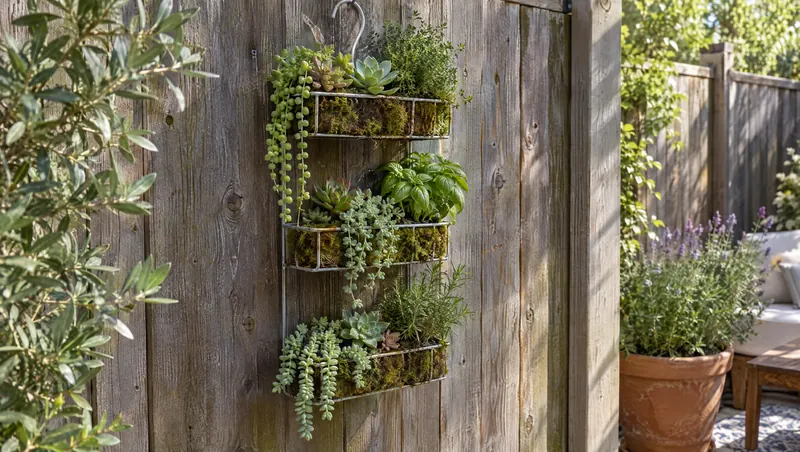
A three-tier vertical planter made from a hanging wire shower caddy, lined with coco coir or moss and planted with succulents or shallow-rooted herbs. It hangs on a fence, porch post, wall hook or balcony rail and takes up no floor space.
Time: about 1 hour · Cost: approx. $30-$60 · Difficulty: easy
A shower caddy is one of the cheapest ways to start a DIY vertical garden: the baskets are already tiered, the open wire drains well, and the hook at the top solves hanging. Below is the full build, the plant list that actually works in shallow baskets, and what to do if you want a bigger vertical garden planter later.
Materials and rough cost
| Item | Notes | Approx. cost |
|---|---|---|
| Hanging wire shower caddy (2-3 baskets) | Stainless, coated or aluminum wire; avoid plain chrome steel outdoors | $15-$30 |
| Coco coir hanging-basket liners or sheet moss | Coir liners can be trimmed to fit rectangular baskets | $5-$15 |
| Potting mix (8 qt bag) | Cactus mix for succulents, all-purpose potting mix for herbs | $8-$15 |
| Plants (6-9 small plugs or 2-3 in pots) | See the plant list below | $3-$6 each |
| Hook or bracket rated for the wet weight | Screw hook, fence hook or heavy S-hook | $3-$10 |
| Optional: landscape fabric, zip ties, rust-inhibiting spray | Fabric holds fine soil; zip ties stop swinging | $0-$12 |
Tools: scissors, gloves, a small trowel or spoon, and a drill only if you mount a hook into wood or masonry.
How to make a shower caddy planter
- Check the caddy for rust If it's plain chrome-plated steel, scuff it lightly and spray it with a rust-inhibiting enamel, then let it cure for a day. Stainless or coated wire can skip this step.
- Cut the liners Press a coir liner into each basket and trim it about ½ in proud of the rim so it folds over the top wire. With sheet moss, soak it first and pack a layer about 1 in thick against the sides and floor, green side out.
- Add fabric if your mix is fine A piece of landscape fabric inside the liner stops cactus mix from sifting out. It still lets water through.
- Fill with potting mix, not garden soil Oregon State Extension notes garden soil is too heavy and holds too much water in containers. Fill to about 1 in below the rim. No gravel layer at the bottom: UC Master Gardeners say it makes drainage worse.
- Plant tightly Tease the roots, set plants close together (shallow baskets fill fast), and firm the mix around them. Put trailing plants at the front edge so they spill over the wires.
- Water before you hang it Water slowly until it drains from the bottom basket, let it drip, then weigh the whole planter on a bathroom scale. That wet weight is what your hook must hold, with room to spare.
- Hang and stabilize Hang from a hook screwed into a fence post, stud or rail, not drywall alone. Zip-tie the bottom basket to the fence or rail so wind can't swing it.
Wet potting mix is far heavier than dry. Use a hook or anchor rated well above the weight you measured in step 6, and never hang a planter where it could fall on a walkway or a child's play area.
Which plants work in a vertical garden planter?
Caddy baskets are shallow, usually only a few inches deep, so choose plants that root shallowly and stay compact. UC Master Gardeners list chives, lettuces, green onions, radishes and spinach as crops that need only 6-9 in of soil; anything needing 12 in or more (peppers, kale, broccoli) belongs in a bigger container.
| Spot | Good choices | Water |
|---|---|---|
| Full sun, hot wall | Sedum, echeveria, hens and chicks, small aloe | Low: let the mix dry between waterings |
| Sun to part sun | Thyme, oregano, chives, compact basil, parsley | Moderate: check daily in summer |
| Part shade | Loose-leaf lettuce, spinach, green onions, mint (alone, it spreads) | Keep evenly moist |
| Trailing front edge | Creeping thyme, string-of-pearls (frost-tender), trailing sedum | Matches the basket it's in |
Don't mix succulents and thirsty herbs in the same caddy. The whole planter shares one watering routine, so pick one group.
Watering and care
- Top tier dries first, bottom tier stays wettest. Put the most drought-tolerant plants on top.
- Metal heats up. UC Master Gardeners note metal planters get hot and need more watering. On a south or west wall, check daily.
- Automate if you travel. A drip line on a timer is the extension-recommended fix for containers that dry out quickly.
- Feed lightly. Herbs in small pockets use up nutrients fast; a diluted liquid feed every 2-3 weeks in summer keeps them leafy. Succulents need little or none.
- Replant each spring. Coir liners usually last a season or two outdoors before they thin out.
Variations and other DIY vertical garden ideas
- Indoor succulent caddy: hang it in a bright window with a tray beneath, and use cactus mix.
- Over-the-door shoe organizer: fabric pockets on a fence or shed wall. Cut a small slit in each pocket bottom for drainage.
- Pallet planter: staple landscape fabric behind the slats, stand it against a wall and plant between the boards. Use heat-treated (HT-stamped) pallets, not chemically treated ones, for edibles.
- Gutter garden: short lengths of vinyl rain gutter screwed to a fence in rows, with end caps and drilled drainage holes. Good for lettuce and strawberries.
- Tiered ladder shelf: pots on an old step ladder or plant stand, the easiest to water and rearrange.
- Mini decor: the same small succulents suit a tin can fairy garden or a mini clay pot wreath.
Buy instead: ready-made vertical planters
If you'd rather skip the liners, these two ready-made options cover the two common setups: free-standing and wall-mounted. Specs come from the makers' listings; we haven't grown in them ourselves.
Mr. Stacky 5-Tier Planter
A stack of five pots that you water from the top; water flows down through each tier. It suits strawberries, herbs and lettuce on a patio where there's no wall to drill, and it holds more soil than a shower caddy.
Why it stands out
- No tools or wall mounting
- Water once at the top
- Food-safe polypropylene, made in USA
Watch out for
- Top-heavy when wet; place it out of the wind
- Small pockets still dry out fast in midsummer
Full specs
- Key specs
- 5 stacking pots plus 10 in saucer; about 12 x 12 x 28 in assembled; about 25 qt soil; food-safe polypropylene; water the top pot and it flows down; made in USA
Specs from amazon.com, mrstacky.com. Prices checked Oct 2026 and change often.
WallyGrow Eco Wall Planter
A single leakproof wall pocket with an internal watering channel, made from recycled plastic. Start with one or two and add more to build a living wall on a fence, porch or indoor wall.
Why it stands out
- Leakproof, so it works indoors too
- Modular: add planters over time
- Bracket included
Watch out for
- About 4 qt of soil each: 1-2 small plants per pocket
- A full wall adds up in cost
Full specs
- Key specs
- 8 x 11.75 x 8 in per planter; about 0.25 cu ft soil; 100% recycled plastic; leakproof with internal watering channel; wall bracket included; indoor or outdoor
Specs from wallygrow.com, amazon.com. Prices checked Oct 2026 and change often.
Going bigger: vertical growing in a greenhouse
Vertical thinking pays off most under cover. In a small greenhouse, tiered shelves and hanging baskets double the growing surface without widening the footprint, which is why most owners add shelving before anything else. See our guide to greenhouse shelving and staging, or browse small greenhouse kits and the even smaller mini greenhouses that fit on a patio. More weekend builds are on our garden projects page.
A vertical planter is often the first step toward growing year-round. If you want shelves of herbs and greens through spring and fall, compare our picks for the best greenhouse kits, see which backyard greenhouse kits fit your yard, or start compact with a 6x8 from our guide to 6x8 greenhouse kits.
Frequently asked questions
What plants grow best in a vertical planter?
Shallow-rooted plants: succulents such as sedum and echeveria, and herbs and greens that need only 6-9 in of soil, like chives, lettuce, green onions and spinach. Skip tomatoes and peppers, which need far deeper containers.
How do you keep soil from falling out of a wire planter?
Line each basket with a coco coir liner or a thick layer of sheet moss, pressed tight against the wires, then fill with potting mix. Landscape fabric inside the liner holds fine soil if your mix is very loose.
Do you need to put gravel in the bottom for drainage?
No. University of California Master Gardeners advise against a gravel layer in the bottom of a container because it actually makes drainage worse. A wire basket with a coir liner already drains freely.
How often should you water a vertical planter?
Check daily in summer. Small, shallow pockets dry out fast, metal gets hot in the sun, and the top tier dries first. Water until it drips from the bottom basket; succulents need far less than herbs.
Will a shower caddy rust outside?
A plain chrome-plated steel caddy usually rusts once it sits wet outdoors. Choose stainless steel, rust-resistant coated wire or aluminum, or spray the caddy with a rust-inhibiting enamel before planting.
Keep reading
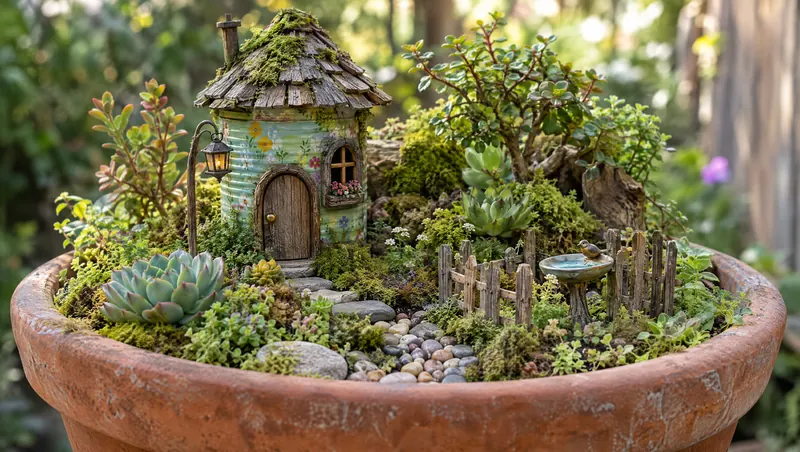 Garden projectTin can fairy garden houseTurn a food can into a fairy house, then plan a miniature garden around it with plants that stay small.
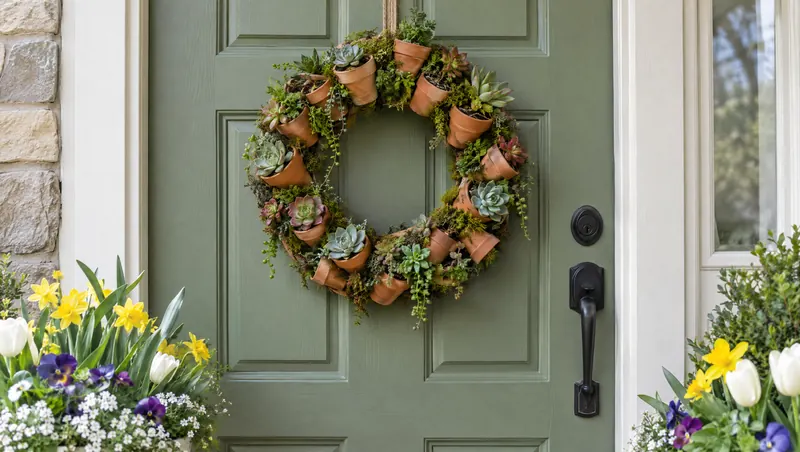 Garden projectMini clay flower pot wreathA garden-themed door wreath built from mini terracotta pots, moss and faux or living succulents.
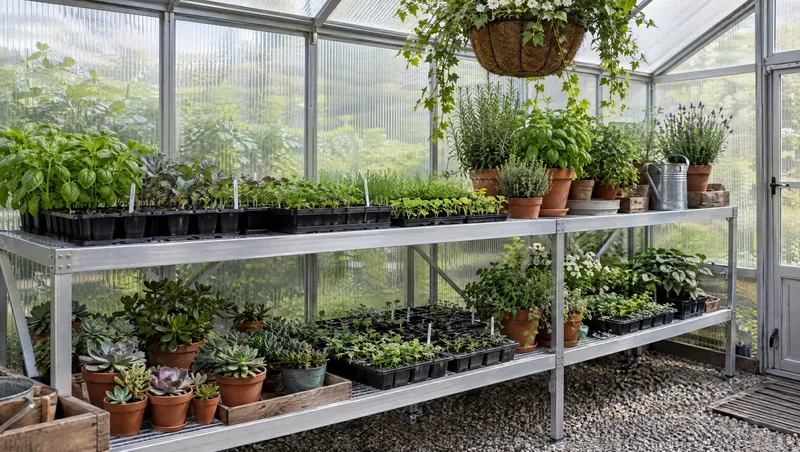 GearGreenhouse shelvingGreenhouse shelves, staging and benches that actually fit 6-ft and 8-ft kits, with layouts, load ratings and materials.
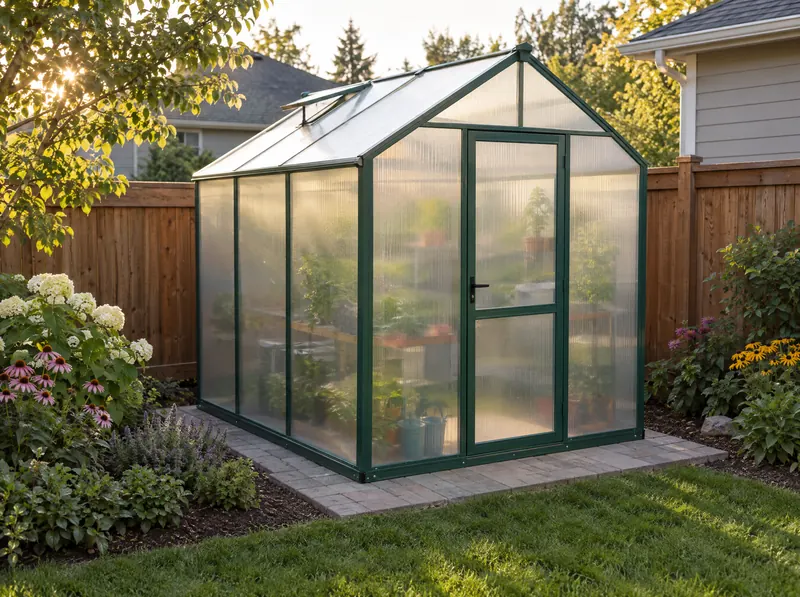 Kits by sizeSmall greenhouse kitsCompact greenhouse kits from 6x4 to 8x8: which one fits your yard, budget and winter.
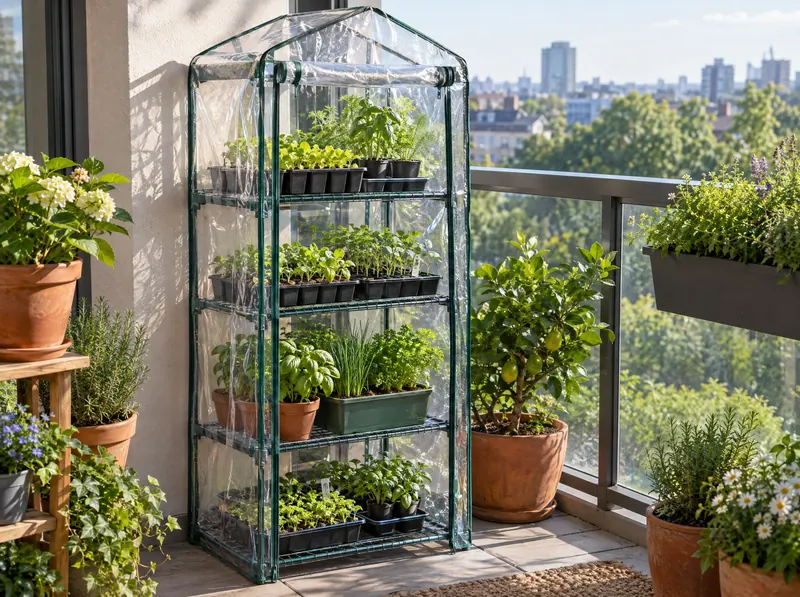 Kits by sizeMini greenhouses4-tier and 5-tier shelf greenhouses, tabletop tunnels and mini cold frames: which one fits, and how to keep it from blowing over.