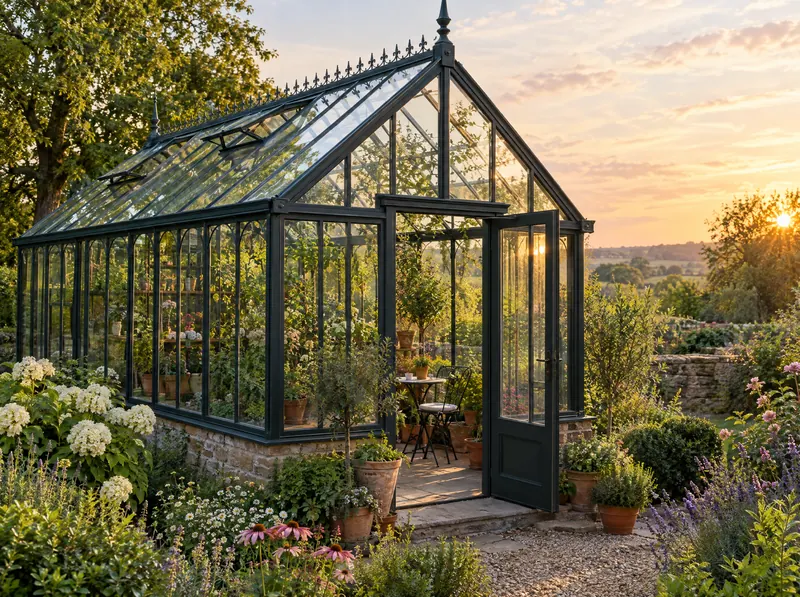
We may earn a commission if you buy through links on this page, at no extra cost to you. Picks are based on specs, retailer data and owner reports, not paid placement. Disclosure.
For most backyards, no: twin-wall polycarbonate is the better buy. It insulates about twice as well (R-1.53 for 6 mm twin-wall vs roughly R-0.9 for single glass), resists hail and costs far less. A glass greenhouse is worth it if you want the most light, a 25+ year structure and the classic look. The best glass pick is the Janco Palmetto 8x10, made in the USA with the highest published ratings we found (120+ mph, 50 lb/sq ft). For a smaller glass starter, there's the Janco Sago 5x8. For the English conservatory look, choose the Exaco/Janssens Royal Victorian.
- 1Best glass greenhouse overallJanco Palmetto 8x10 (Glass)
US-made aluminum/glass greenhouse with the highest published wind and snow ratings in this set.
Wind120 mphSnow50 psf$2,500–$6,000typical, Oct 2026 - 2Best small glass greenhouseJanco Sago 5x8 (Glass)
Small-footprint glass starter greenhouse with a lifetime warranty.
Wind100 mphSnow30 psf$2,800–$3,300typical, Oct 2026 - 3Best Victorian glass greenhouseExaco Royal Victorian VI34 (Glass)
Classic English-style glass greenhouse / conservatory look.
No published wind or snow rating$10,000–$12,000typical, Oct 2026 - 4Best mid-size VictorianJanssens Junior Victorian J23 (Glass)
Smaller glass Victorian; 38-degree roof pitch sheds snow.
No published wind or snow rating$8,799typical, Oct 2026 - 5Best glass-look polycarbonate alternativePalram Chalet 12x10
Victorian-style winter garden / spa enclosure.
Wind56 mphSnow15.4 psf$2,999–$3,249typical, Oct 2026
A glass greenhouse is the image most people have in their heads: sparkling panes, a ridge vent and a slim metal frame. Kit makers still sell them, now with tempered safety glass and aluminum frames. The question isn't whether glass looks good; it does. The question is whether the extra cost, weight and heating bill are worth it over the polycarbonate that dominates US backyards. This page answers that honestly, then lists the tempered glass greenhouse kits worth considering. As always, our picks are research-based (spec sheets, retailer listings and owner reports), not hands-on tests.
Polycarbonate vs glass greenhouse: the honest comparison
| Tempered glass | Twin-wall polycarbonate | Winner | |
|---|---|---|---|
| Light transmission | 88-94% single layer (Univ. of Arkansas) | About 83% for bi-wall (Univ. of Arkansas); 70-82% on most kits | Glass |
| Light quality | Direct, clear view; can scorch leaves near the glass | Diffused: spreads light deeper into the canopy | Polycarbonate for most crops |
| Insulation | About R-0.9 for single glass | R-1.53 at 6 mm, up to R-3.0 for 16 mm triple-wall | Polycarbonate |
| Lifespan | Usually more than 25 years | 20-25 years (bi-wall) | Glass, narrowly |
| Impact and hail | Tempered is strong but can still break; "relatively low impact resistance" per Univ. of Arkansas | Very impact-resistant; scratches more easily | Polycarbonate |
| Weight and foundation | Heavy; needs a true level, solid foundation | Light; pavers or a timber base often enough | Polycarbonate |
| Looks and resale | Classic, clear, ages well | Utilitarian; twin-wall is translucent, not see-through | Glass |
| Price (kits in our research) | About $2,800 to $12,000 | About $450 to $5,000 for comparable sizes | Polycarbonate |
| Assembly | Slower, heavier panes, more care | Lighter panels, easier for one or two people | Polycarbonate |
The verdict: polycarbonate wins on insulation, safety, weight and price. Glass wins on light, longevity and looks. If you'll heat through a cold winter, glass will cost more to run every month. If you live in hail country, polycarbonate saves you from replacing panes. If you're building a garden centerpiece in a mild climate, or you mainly grow light-hungry crops in spring and summer, glass is a legitimate choice, not just a vanity one.
When a glass greenhouse is worth it
- You want to see out. Twin-wall polycarbonate is translucent. Only glass (or clear single-wall polycarbonate) gives you a true view of the garden.
- You're building for decades. Glass doesn't yellow or haze. Warranties reflect that: Janco covers glass and frame for life.
- The structure is part of the garden design. A Victorian glass house next to the patio does a job no hobby kit can.
- Mild winters, or you'll double up. In cold climates, a common fix is lining the inside with horticultural bubble wrap for winter. Our winter greenhouse guide covers insulation and heating.
The best glass greenhouse kits
Janco Palmetto 8x10 (Glass)
Janco's Palmetto is handmade in the USA from aluminum, glazed in 1/8" tempered safety glass (or 8 mm twin-wall polycarbonate if you prefer). Janco rates it to exceed 120 mph wind and 50 lb/sq ft snow, the highest published ratings of any kit we researched. It has a passive solar ridge vent that opens between 55 and 75 F, and a lifetime warranty on glass and frame. Eartheasy's price range reflects the frame finish (mill, bronze or white) and glazing.
Why it stands out
- Highest published wind and snow ratings in our research
- Lifetime warranty on glass and metal frame
- Glass or twin-wall polycarbonate on the same frame
Watch out for
- Ratings are stated as "to exceed" and depend on anchoring to a wood or concrete foundation
- No owner reviews we could verify
Full specs
- Sizes
- 8x10
- Footprint
- 8.0 x 10.0
- Frame
- Aluminum (mill, bronze or white), handmade in USA
- Panels
- 1/8" tempered safety glass or 8 mm twin-wall polycarbonate (option)
- Vents
- Passive solar ridge vent (opens 55-75 F)
- Door
- Heavy-duty aluminum full-lite door
- Snow load
- 50.0 lb/sq ft
- Wind rating
- 120 mph
- Warranty
- Lifetime on glass and metal frame
Specs from eartheasy.com. Prices checked Oct 2026 and change often.
Janco Sago 5x8 (Glass)
The Sago is the easiest way into a real glass greenhouse: a 5x8 footprint, clear 1/8" tempered glass, aluminum members with stainless and aluminum hardware, and a passive ridge vent. Janco rates it to exceed 100 mph wind and 30 lb/sq ft snow, with a lifetime warranty. It's well suited to a patio corner or the end of a vegetable garden.
Why it stands out
- Smallest footprint of the glass kits here
- Strong published ratings for a compact greenhouse
- Lifetime warranty
Watch out for
- Needs a foundation like its bigger siblings
- Costs about what a large polycarbonate walk-in does
Full specs
- Sizes
- 5x8
- Footprint
- 5.0 x 8.0
- Frame
- Aluminum, 1/4" and 1/8" members, stainless/aluminum hardware
- Panels
- 1/8" clear tempered safety glass
- Vents
- Passive solar ridge vent
- Door
- Aluminum full-lite door
- Snow load
- 30.0 lb/sq ft
- Wind rating
- 100 mph
- Warranty
- Lifetime
Specs from eartheasy.com. Prices checked Oct 2026 and change often.
Exaco Royal Victorian VI34 (Glass)
Made in Belgium by Janssens and sold by Exaco, this is the English-conservatory look: a 10x15 footprint, a 9 ft peak and tall 6.6 ft sidewalls, 4 mm tempered glass, and a black or fir-green aluminum frame. Ventilation is generous: three roof vents (two automatic) plus a louvre window with an auto opener. It's one of the few glass greenhouses with a meaningful owner rating: 4.8/5 on 83 Costco reviews.
Why it stands out
- Tall sidewalls: usable headroom wall to wall
- Automatic vents and louvre included
- Strong owner rating at Costco; 10-year limited warranty
Watch out for
- Heavy, and needs a true level foundation
- 4-6 week delivery from Costco, which has no affiliate program; check Exaco's dealer list too
Full specs
- Sizes
- 10x15 (VI 34; also VI 23 7.8x10.2, VI 36 10x20)
- Footprint
- 10.2 x 15.0
- Peak height
- 9.0 ft
- Frame
- 17-gauge tubular aluminum, black or fir green, made in Belgium
- Panels
- 4 mm tempered glass
- Vents
- 3 roof vents (2 automatic + 1 spindle opener) + 1 louvre window with auto opener
- Door
- 2 sliding doors (use as 2 singles or 1 double)
- Warranty
- 10-year limited (Exaco)
Specs from costco.com, exaco.com. Prices checked Oct 2026 and change often.
Janssens Junior Victorian J23 (Glass)
A smaller Janssens Victorian at 7.8 x 10.2 ft, also available in 12.6 and 15 ft lengths. It has 4 mm tempered glass, a steep 38-degree roof pitch to shed snow, a sliding door and an automatic roof vent. It's designed to sit on a 15 3/4" stem wall, which lifts the low 5'2" sidewalls to comfortable working height.
Why it stands out
- Classic Victorian lines in a mid-size footprint
- Steep roof pitch sheds snow
- 10-year limited warranty
Watch out for
- Low sidewalls unless you build the stem wall
- Sold through Exaco's retailer network; no owner reviews verified
Full specs
- Sizes
- 7.8x10.2 (J 23; also J 24 7.8x12.6, J 25 7.8x15)
- Footprint
- 7.8 x 10.2
- Peak height
- 8.2 ft
- Frame
- 17-gauge tubular aluminum (black)
- Panels
- 4 mm tempered glass
- Vents
- 1 roof vent with automatic opener (J 23)
- Door
- 1 sliding door
- Warranty
- 10-year limited (Exaco)
Specs from exaco.com, exaco.com. Prices checked Oct 2026 and change often.
Palram Chalet 12x10
If you love the Victorian look but not the glass bill, Palram's Chalet copies the style in polycarbonate. Its clear 0.7 mm walls (90%+ light) read as glass from a few feet away, and the 4 mm twin-wall roof diffuses light overhead. It has two roof vents, lockable double doors and published 56 mph / 15.4 lb/sq ft ratings. For the same idea at 12x15 with SnapGlas walls and a 10 mm roof, see the Palram Triomphe ($6,000–$9,999).
Why it stands out
- Victorian styling at a fraction of glass prices
- Twin-wall roof insulates better than a glass roof
- Anchoring kit included
Watch out for
- Clear walls offer little winter insulation
- Lower ratings than Janco's glass kits
Full specs
- Sizes
- 12x10
- Frame
- Grey aluminum frame with reinforcement, galvanized steel base
- Panels
- 4 mm twin-wall roof (82%) + 0.7 mm clear walls (90%+)
- Vents
- 2 roof vents
- Door
- Lockable double doors with magnetic catch, low-threshold ramp
- Snow load
- 15.4 lb/sq ft
- Wind rating
- 56 mph
Specs from eartheasy.com, walmart.com. Prices checked Oct 2026 and change often.
Glass greenhouse kits compared
| Model | Sizes | Panels | Snow load | Warranty | Typical price | Shop |
|---|---|---|---|---|---|---|
| Janco 8' x 10' Palmetto Greenhouse | 8x10 | 1/8" tempered safety glass or 8 mm twin-wall polycarbonate (option) | 50.0 lb/sq ft | Lifetime on glass and metal frame | $2,500–$6,000 | Eartheasy |
| Janco 5' x 8' Compact Sago Glass Greenhouse | 5x8 | 1/8" clear tempered safety glass | 30.0 lb/sq ft | Lifetime | $2,800–$3,300 | Eartheasy |
| Exaco Royal Victorian Glass Greenhouse VI 34 (10' x 15') | 10x15 (VI 34; also VI 23 7.8x10.2, VI 36 10x20) | 4 mm tempered glass | — | 10-year limited (Exaco) | $10,000–$12,000 | Costco |
| Janssens Junior Victorian J 23 Glass Greenhouse | 7.8x10.2 (J 23; also J 24 7.8x12.6, J 25 7.8x15) | 4 mm tempered glass | — | 10-year limited (Exaco) | $8,799 | Exaco (find a retailer) |
| Palram - Canopia Chalet 12' x 10' Greenhouse | 12x10 | 4 mm twin-wall roof (82%) + 0.7 mm clear walls (90%+) | 15.4 lb/sq ft | — | $2,999–$3,249 | Eartheasy |
How to choose a tempered glass greenhouse
Glass type and thickness
Only buy tempered (toughened) safety glass. Every kit here uses it: 4 mm on the Exaco/Janssens models, 1/8" on Janco. Horticultural (annealed) glass is cheaper but breaks into sharp shards, which is a real risk if kids or pets use the garden.
Frame
Aluminum is the norm for glass kits, because it is strong, slim and doesn't rot. Wooden glass greenhouses exist, but most US cedar kits use polycarbonate; see our wooden greenhouse kits.
Foundation
Glass needs a dead-level, rigid base, because a twisted frame cracks panes. Plan a concrete footing, a timber frame on compacted gravel, or a low brick or block stem wall (the Junior Victorian is designed for one). Our greenhouse foundation guide walks through the options.
Snow, wind and hail
Janco publishes some of the highest ratings in the market (Palmetto 120+ mph / 50 lb/sq ft). Exaco doesn't publish psf figures for its glass houses, so look for a steep roof pitch instead. In regular hail country, polycarbonate is the safer bet.
Ventilation and heat
Glass heats up quickly in sun. Count the vents (the Royal Victorian has three roof vents plus a louvre) and budget for automatic openers. For winter, plan on extra heating compared with twin-wall polycarbonate; our greenhouse heater guide sizes heaters by area.
Mistakes to avoid with glass greenhouses
- Building on an uneven base. The most expensive mistake with glass: out-of-square frames stress the panes.
- Forgetting delivery logistics. Glass kits ship as heavy freight (Costco quotes 4-6 weeks for the Royal Victorian). Plan where crates will land.
- Underestimating heating cost. Glass loses heat roughly twice as fast as 6 mm twin-wall.
- Siting under trees. Falling branches and acorns are glass's enemy, and shade defeats the point of glass.
- Not budgeting for the base. Our greenhouse cost guide covers foundation and setup costs.
Still deciding? Next steps
If the comparison tipped you toward polycarbonate, our best polycarbonate greenhouse kits explains panel thickness and lists aluminum hobby kits from 6x8 up. For the classic look in a different material, see cedar greenhouse kits. If you're leaning toward Palram's glass-look garden rooms, our Palram-Canopia line comparison covers the Chalet, Triomphe and Victory Orangery.
Frequently asked questions
Is glass or polycarbonate better for a greenhouse?
Polycarbonate is better for most backyard growers: twin-wall panels insulate roughly twice as well, weigh far less and resist hail. Glass is better if you want maximum clear light, the longest life and the classic look, and you're willing to pay more and build a solid foundation.
Do glass greenhouses break easily?
Kit greenhouses use tempered safety glass (4 mm on Exaco/Janssens, 1/8" on Janco), which is much stronger than ordinary window glass and breaks into small pieces rather than shards. It can still be broken by hail or a stray ball, while polycarbonate rarely is.
How long does a glass greenhouse last?
The University of Arkansas greenhouse course puts glass at usually more than 25 years, against 20-25 years for bi-wall polycarbonate. Kit warranties range from 10 years (Exaco) to lifetime on glass and frame (Janco).
Are glass greenhouses warmer than polycarbonate?
No. Single-pane glass is commonly rated around R-0.9, while 6 mm twin-wall polycarbonate is published at R-1.53. A glass greenhouse heats up fast in sun but loses heat faster at night, so it costs more to heat in winter.
How much does a glass greenhouse kit cost?
In our research, tempered-glass kits start around $2,800 for a 5x8 (Janco Sago) and run to about $12,000 for a 10x15 Victorian (Exaco/Janssens), before the foundation.
Does a glass greenhouse need a foundation?
Yes. Glass is heavy and unforgiving of an out-of-level base. Janco says to anchor to a wood or concrete foundation, and the Janssens Junior Victorian is designed to sit on a 15 3/4" stem wall.
Keep reading
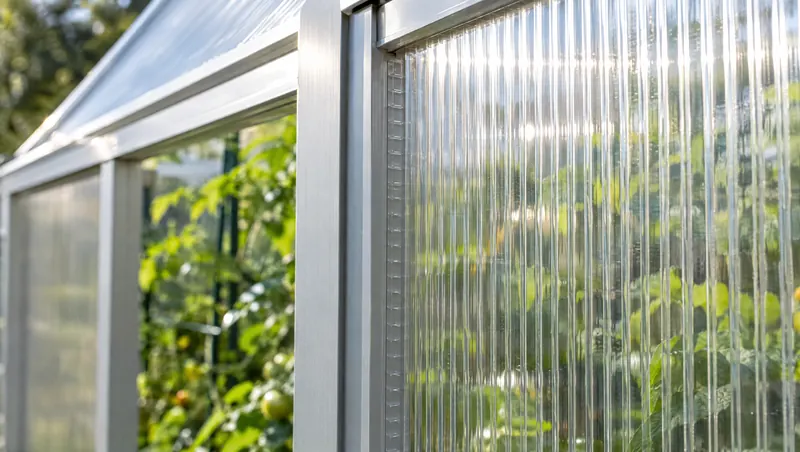 Kits by typePolycarbonate greenhouse kitsTwin-wall vs clear panels, thickness and R-values, plus six aluminum hobby kits from starter 6x8s to snow-country builds.
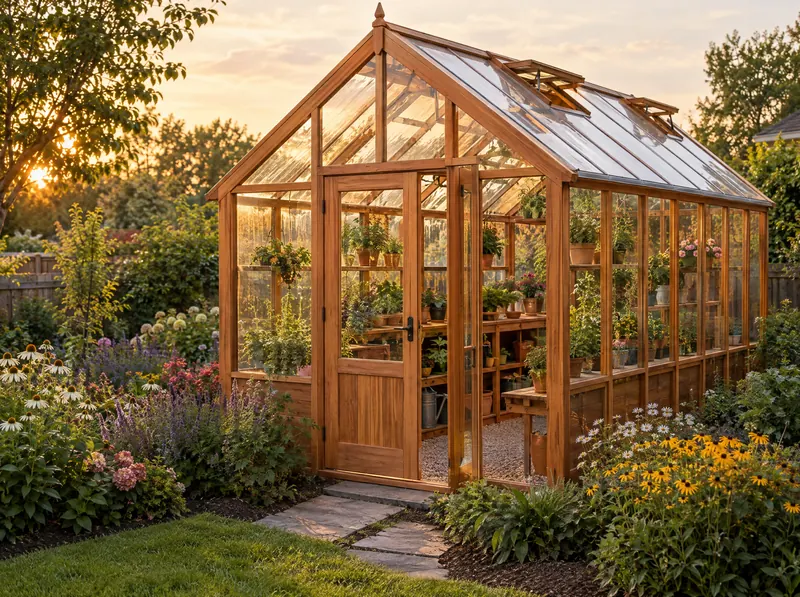 Kits by typeWooden & cedar greenhouse kitsCedar and wood-frame greenhouse kits compared: panels, R-values, upkeep and how long they really take to build.
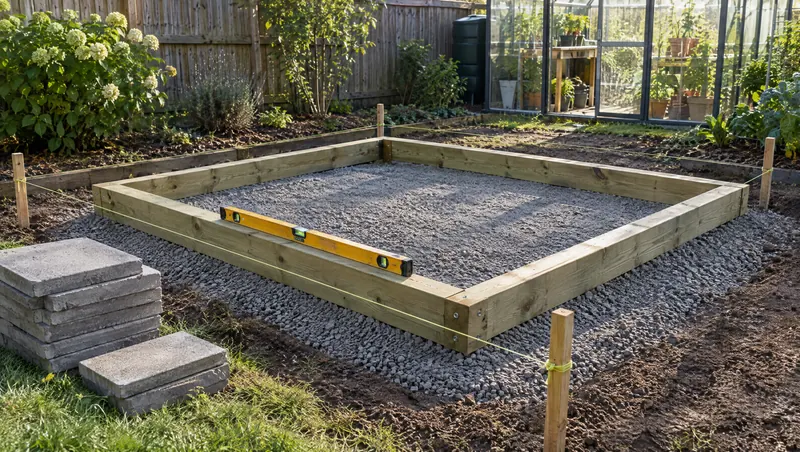 Build guideGreenhouse foundations and basesEvery greenhouse base option compared, with step-by-step timber and paver builds, squaring, anchoring and flooring.
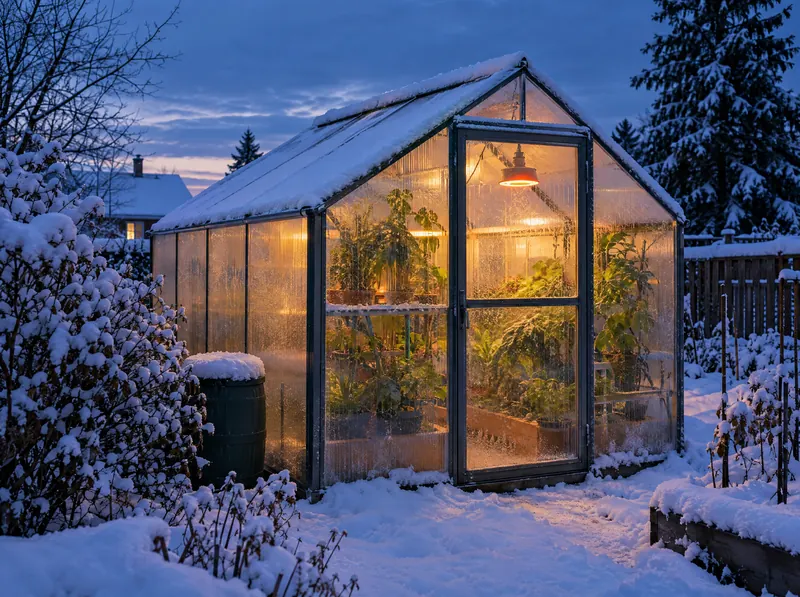 Growing guideWinter greenhouse guideKeep a greenhouse productive in winter: what to grow, how big a heater you need, insulation, thermal mass and safety.
 Cost guideHow much a greenhouse costsGreenhouse prices by type and size, cost per square foot, the hidden extras and what heating really costs per night.
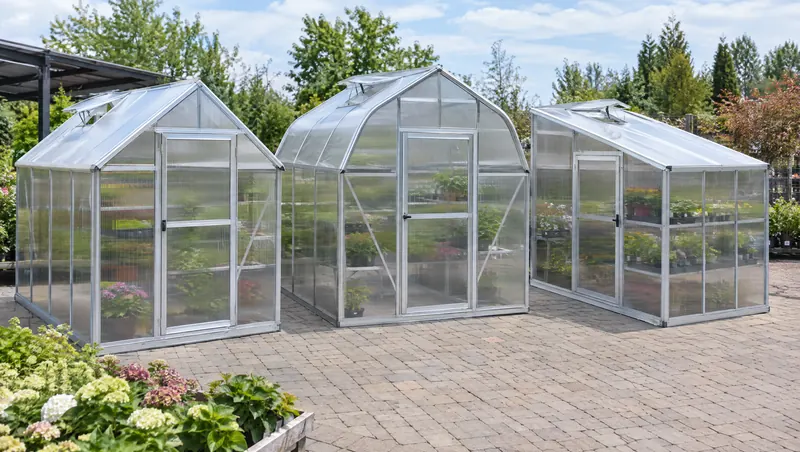 Brand reviewPalram-Canopia reviewMythos vs Hybrid vs Harmony, Balance vs Glory vs Bella: every Palram-Canopia line, its panels, ratings and who it suits.